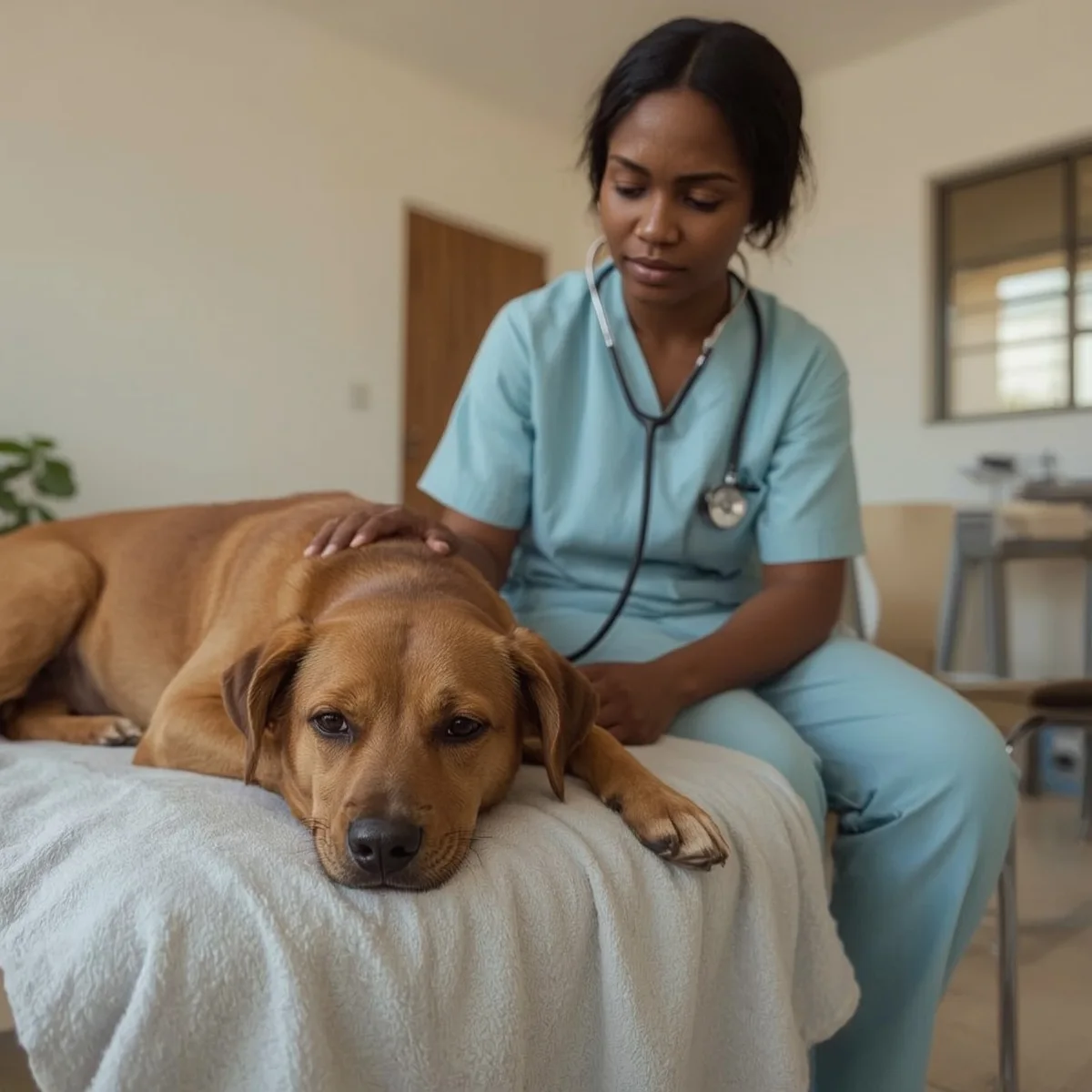
Dogs cannot tell us when they feel unwell, but changes in their behaviour, appetite, energy levels and physical condition can reveal important signs of illness. Some symptoms are easy to recognise, such as vomiting or limping, while others develop gradually and may go unnoticed until a health problem becomes more serious.
Knowing how to tell if your dog is sick helps you recognise problems early and seek veterinary care when necessary. Whether your dog lives indoors, spends time in a compound or works on a farm in Kenya, paying attention to its normal habits is one of the best ways to notice when something is wrong.
Quick answer: Common signs that a dog may be sick include loss of appetite, unusual tiredness, vomiting, diarrhoea, coughing, changes in drinking or urination, weight loss and unusual behaviour. Difficulty breathing, collapse, seizures, pale gums, a swollen abdomen or severe weakness require immediate veterinary attention.
12 Common Signs That Your Dog May Be Sick
Dogs show illness in different ways depending on their age, health condition and the underlying problem. Some continue eating and walking normally even when they are unwell, while others become noticeably withdrawn.
The following symptoms are important warning signs that every dog owner should recognise.
1. Loss of Appetite
A sudden change in appetite is one of the most common signs that a dog is not feeling well. A sick dog may refuse its usual food, eat smaller portions or show no interest in treats it normally enjoys.
Loss of appetite can occur with digestive problems, infections, dental pain, fever, kidney disease and many other conditions.
Occasionally, a healthy adult dog may skip a meal because of stress, changes in routine or environmental factors. However, persistent refusal to eat should not be ignored.
Contact a veterinarian if your dog has not eaten for 24 hours, or sooner if it also has vomiting, diarrhoea, weakness or other symptoms. Puppies, small dogs and animals with existing medical conditions need earlier assessment.
2. Unusual Tiredness or Lethargy
Healthy dogs naturally rest after exercise, play or long walks. Lethargy is different from normal tiredness because the dog appears unusually inactive, weak or uninterested in everyday activities.
Possible signs include:
- Sleeping much more than usual.
- Refusing to play or go for walks.
- Moving slowly or appearing weak.
- Remaining in one place for unusually long periods.
- Showing little interest in people or surroundings.
Lethargy can result from pain, fever, dehydration, infection, anaemia or other medical problems.
Sudden, severe lethargy or difficulty standing requires urgent veterinary attention. If your dog is less active than usual but otherwise stable, arrange an examination if the change persists or is accompanied by other symptoms.
3. Vomiting
Vomiting can occur for several reasons, ranging from temporary stomach irritation to serious illnesses such as intestinal obstruction, poisoning or infection.
A single episode of vomiting in an otherwise active adult dog may not indicate a serious condition. Repeated vomiting, however, can quickly lead to dehydration and requires veterinary assessment.
Warning signs include:
- Vomiting several times within a short period.
- Blood or dark material in vomit.
- Vomiting accompanied by diarrhoea.
- Refusing food and water.
- Weakness or abdominal pain.
- Repeated attempts to vomit without producing anything.
Emergency warning: A dog with a swollen abdomen that repeatedly tries to vomit without bringing anything up may have gastric dilatation-volvulus (GDV), a life-threatening condition. Seek emergency veterinary care immediately.
4. Diarrhoea or Changes in Stool
Changes in your dog's faeces can provide important clues about digestive health.
Mild diarrhoea may result from a sudden change in food, dietary indiscretion or temporary digestive irritation. However, intestinal parasites, bacterial infections, viruses and other diseases can also cause diarrhoea.
Pay attention to:
- Frequent loose or watery stools.
- Blood or unusual mucus in faeces.
- Black, tar-like stools.
- Straining or apparent pain when passing stool.
- Diarrhoea accompanied by vomiting or weakness.
Bloody diarrhoea, black stools, severe weakness or signs of dehydration require prompt veterinary care.
Persistent diarrhoea also needs investigation, particularly in puppies and dogs that have not completed their vaccinations.
5. Drinking More or Less Water Than Usual
Changes in drinking habits may indicate a health problem. Dogs normally drink more water during hot weather, after exercise or when eating dry food.
However, a persistent and unexplained increase in thirst can be associated with conditions such as diabetes, kidney disease or hormonal disorders.
Drinking much less than usual can also be concerning, especially when accompanied by vomiting, fever or lethargy.
Monitor whether your dog is drinking more frequently, emptying its water bowl unusually quickly or showing changes in urination.
Do not restrict access to drinking water because your dog seems excessively thirsty. Arrange a veterinary examination to investigate the cause.
6. Coughing or Difficulty Breathing
Occasional coughing may occur when a dog encounters dust or other environmental irritants. Persistent coughing, however, can be associated with respiratory infections, heart disease or other medical conditions.
Watch for:
- Repeated or persistent coughing.
- Noisy breathing or wheezing.
- Unusual breathing effort.
- Rapid breathing while resting.
- Discharge from the nose.
- Reduced ability to exercise.
Difficulty breathing is an emergency. Dogs struggling to breathe may extend their necks, use their abdominal muscles to breathe or appear distressed.
Keep the animal calm and seek immediate veterinary care rather than attempting home treatment.
7. Changes in Behaviour
Behavioural changes can be among the earliest signs of illness.
A normally friendly dog may become withdrawn, unusually irritable or reluctant to be touched. Another dog may become restless, clingy or unable to settle comfortably.
Changes worth investigating include:
- Hiding or avoiding interaction.
- Sudden aggression when handled.
- Unusual restlessness or pacing.
- Whining or vocalising more than normal.
- Loss of interest in familiar activities.
- Confusion or disorientation.
Pain, neurological disorders, infections and other illnesses can affect behaviour.
Sudden unexplained aggression combined with neurological symptoms, abnormal swallowing or excessive salivation requires particular caution. Avoid bites and contact a veterinarian, especially when rabies exposure is a possibility.
8. Weight Loss or Changes in Body Condition
Unexplained weight loss can develop gradually and may be difficult to notice in dogs with thick coats.
Possible causes include intestinal parasites, digestive disorders, chronic infections, dental problems, kidney disease and other conditions.
Signs of declining body condition include:
- Ribs becoming more prominent.
- Loss of muscle around the hips or shoulders.
- A noticeably narrower waist.
- Reduced strength or activity.
- Persistent weight loss despite a normal appetite.
Check your dog's weight and body condition regularly. A gradual but consistent decline should be assessed by a veterinarian.
9. Skin Problems and Excessive Scratching
Healthy dogs occasionally scratch themselves, but persistent itching or noticeable changes in the skin can indicate a problem.
Common signs include:
- Frequent scratching or biting at the skin.
- Hair loss or bald patches.
- Redness, sores or scabs.
- Flaky skin or an unusual smell.
- Persistent licking of the paws.
- Visible ticks or fleas.
Skin problems can result from external parasites, allergies, bacterial or fungal infections and other conditions.
Ticks are particularly important in Kenya because some species can transmit serious infections to dogs. Regular tick checks and suitable parasite prevention help reduce exposure.
10. Eye or Ear Problems
Changes in your dog's eyes or ears may indicate irritation, infection, injury or other health problems.
Eye symptoms include redness, squinting, cloudiness, excessive tearing and discharge. A dog that keeps one eye closed or suddenly appears unable to see needs prompt veterinary assessment.
Ear problems may cause:
- Frequent head shaking.
- Scratching at the ears.
- Unpleasant ear odour.
- Redness or swelling.
- Dark or unusual discharge.
- Pain when the ears are touched.
Do not insert cotton buds deep into the ears or use unprescribed ear medication. Some treatments can cause harm when the eardrum is damaged.
11. Limping or Difficulty Moving
A dog that suddenly starts limping may have a paw injury, muscle strain, joint problem or other painful condition.
Difficulty moving can also be associated with infections, neurological problems and chronic joint disorders.
Look for swelling, reluctance to use a leg, pain when moving or difficulty standing up.
Sudden inability to walk, severe pain, an obviously injured limb or dragging of the hind legs requires urgent veterinary assessment.
For milder limping, restrict strenuous activity and contact a veterinarian if the problem persists or worsens.
12. Changes in Urination
Urinary problems may be difficult to recognise unless you pay attention to your dog's normal habits.
Warning signs include:
- Urinating much more frequently than usual.
- Straining or appearing uncomfortable when urinating.
- Passing only small amounts of urine.
- Blood in the urine.
- Unexpected accidents indoors.
- Unable to pass urine despite repeated attempts.
These symptoms can occur with urinary tract infections, bladder stones, kidney problems and other conditions.
A dog that repeatedly attempts to urinate but cannot produce urine requires emergency veterinary care.
How to Check Your Dog for Signs of Illness at Home
A simple daily observation routine can help you notice health problems before they become severe. You do not need specialist equipment to recognise many important changes.
Check Your Dog's Appetite
Notice whether your dog finishes its usual meals and remains interested in food.
A persistent change in eating habits is more informative than an occasional missed meal, particularly when other symptoms are present.
Observe Energy and Behaviour
Compare your dog's current activity with its usual behaviour. A dog that suddenly stops playing, avoids walks or appears unusually quiet may be unwell.
Examine the Gums
Healthy dog gums are usually pink and moist, although normal pigmentation varies between dogs.
Very pale, white, blue or grey gums can indicate serious problems involving circulation, oxygen delivery or blood loss.
Yellow gums may indicate jaundice and require veterinary investigation.
Do not rely on gum colour alone to assess your dog's health.
Look at the Eyes and Nose
Check for unusual discharge, redness, cloudiness or swelling around the eyes.
A dog's nose may naturally be wet or dry at different times. A dry nose by itself is not a reliable sign of fever or illness.
Check the Skin and Coat
Look for ticks, fleas, wounds, swelling, hair loss or irritated skin. Pay attention to areas around the ears, neck, between the toes and under the legs.
Monitor Stool and Urine
Changes in stool consistency, frequency or colour can reveal digestive problems. Urination patterns may provide clues about urinary or metabolic conditions.
Measure Temperature When Appropriate
The normal rectal temperature of most healthy adult dogs is approximately 38.3-39.2°C (101-102.5°F).
A temperature outside this range does not automatically identify a particular illness, but marked abnormalities require veterinary assessment.
If your dog is distressed, aggressive or resisting handling, do not force a temperature measurement. A veterinarian can examine the animal safely.
Common Dog Health Problems in Kenya
Dogs in Kenya may encounter several infectious diseases and parasites. The likelihood of exposure varies according to vaccination history, environment, contact with other animals and preventive healthcare.
Tick-Borne Diseases
Ticks can transmit infections such as ehrlichiosis and babesiosis. These diseases may cause fever, weakness, reduced appetite, anaemia and other symptoms.
Some affected dogs develop pale gums, bleeding abnormalities or dark urine.
Because symptoms overlap with many other illnesses, veterinary testing is needed to determine the cause.
Canine Parvovirus
Parvovirus is a highly contagious infection that particularly affects puppies and unvaccinated dogs.
Symptoms commonly include severe vomiting, diarrhoea, loss of appetite, weakness and dehydration.
Suspected parvovirus requires prompt veterinary care. Keep the dog away from other dogs because the infection can spread through contaminated faeces and environments.
Canine Distemper
Canine distemper can affect the respiratory, digestive and nervous systems.
Possible signs include fever, coughing, discharge from the eyes or nose, digestive symptoms and neurological abnormalities.
Vaccination substantially reduces the risk of this serious disease.
Intestinal Parasites
Roundworms, hookworms and other intestinal parasites can cause digestive problems, weight loss, poor growth and anaemia.
Puppies are especially vulnerable to heavy infections.
Regular parasite control, clean living environments and veterinary stool examinations when indicated can help reduce these problems.
Rabies
Rabies is a serious viral disease that affects the nervous system and can spread from infected animals to humans.
Possible signs in dogs include sudden behavioural changes, unusual aggression or withdrawal, difficulty swallowing, excessive salivation, weakness and paralysis.
Not every animal with rabies becomes aggressive, and symptoms alone cannot confirm the disease.
Rabies safety: Do not approach or handle a dog suspected of having rabies. Avoid contact with saliva and notify a veterinarian or relevant animal health authority. If a person is bitten or scratched by a potentially rabid animal, wash the wound thoroughly with soap and running water for at least 15 minutes and seek urgent medical care.
When Should You Take a Sick Dog to the Vet?
Some symptoms require immediate attention, while others allow time to arrange a routine veterinary appointment.
| Symptoms | Recommended Action |
|---|---|
| Difficulty breathing, collapse or unconsciousness | Emergency veterinary care immediately |
| Seizures, severe weakness or inability to stand | Emergency veterinary care immediately |
| Swollen abdomen with repeated unsuccessful attempts to vomit | Emergency veterinary care immediately |
| Severe bleeding, suspected poisoning or inability to urinate | Emergency veterinary care immediately |
| Repeated vomiting, bloody diarrhoea or significant dehydration | Urgent veterinary assessment |
| Persistent coughing, reduced appetite or unusual lethargy | Contact a veterinarian promptly, generally within 24 hours |
| Gradual weight loss, mild skin problems or recurring ear discomfort | Arrange a veterinary appointment |
Puppies, elderly dogs, pregnant animals and dogs with existing medical conditions can deteriorate more quickly. Seek veterinary advice earlier when these animals develop symptoms.
What to Do If You Think Your Dog Is Sick
If you notice signs of illness, take a few practical steps to protect your dog while arranging appropriate veterinary care.
- Observe the symptoms: Note when they started, how frequently they occur and whether they are getting worse.
- Keep your dog comfortable: Provide a quiet, safe resting place away from excessive heat or cold.
- Make fresh water available: Unless a veterinarian advises otherwise, allow access to clean water. Do not force food or water into a weak, distressed or vomiting dog.
- Limit strenuous activity: Avoid exercise when your dog is weak, painful or showing signs of illness.
- Separate potentially infectious dogs: Reduce contact with other animals when symptoms suggest a contagious disease.
- Contact a veterinarian: Describe the symptoms and follow advice about examination, treatment and transport.
Do not give human painkillers, antibiotics or other medicines without veterinary instructions. Common human medications can be toxic to dogs, and inappropriate treatment may make the condition worse.
If you suspect poisoning, contact a veterinarian immediately. Do not attempt to induce vomiting unless specifically instructed by a veterinary professional.
How Veterinarians Diagnose Illness in Dogs
Many illnesses cause similar symptoms, which means a physical examination is often necessary to identify the underlying problem.
During a veterinary consultation, the veterinarian may assess:
- Body temperature, heart rate and breathing.
- Gum colour and hydration.
- Body condition and weight.
- The abdomen, joints and muscles.
- Eyes, ears, skin and mouth.
- Vaccination and parasite-control history.
- Recent changes in appetite, behaviour and activity.
Depending on the findings, further investigations may include blood tests, stool examinations, urine tests, diagnostic imaging or tests for specific infectious diseases.
Providing accurate information about the dog's symptoms, recent diet, medications and possible exposure to parasites helps the veterinarian choose appropriate investigations.
How to Help Keep Your Dog Healthy
Although not every illness can be prevented, routine veterinary care and responsible daily management can reduce several common health risks.
- Maintain vaccinations: Keep your dog's vaccination programme up to date, particularly protection against rabies and core canine viral diseases.
- Use appropriate parasite prevention: Follow a veterinary-recommended programme for intestinal worms, fleas and ticks.
- Provide a balanced diet: Feed suitable food according to your dog's age, size and health requirements.
- Ensure access to clean water: Make fresh drinking water available throughout the day.
- Keep living areas clean: Remove faeces regularly and maintain hygienic sleeping areas.
- Limit roaming: Reduce exposure to traffic, contaminated waste, infected animals and other hazards.
- Provide suitable exercise: Maintain an activity level appropriate for your dog's age and physical condition.
- Arrange routine examinations: Regular veterinary visits help monitor health and identify problems that may not yet produce obvious symptoms.
In warmer parts of Kenya, make sure your dog has access to shade and drinking water. Avoid strenuous exercise during periods of extreme heat.
Frequently Asked Questions
How do I know if my dog is sick or just tired?
A normally tired dog usually becomes more alert after resting and continues to respond to familiar activities, food and interaction. A sick dog may remain unusually inactive, lose interest in food or show additional symptoms such as vomiting, diarrhoea or abnormal breathing.
Can a dog be sick but still eat normally?
Yes. Some dogs continue eating even when they have parasites, skin infections, joint problems or other illnesses. Appetite is only one part of assessing overall health.
Is a dry nose a sign that my dog is sick?
No. A dog's nose can become dry during sleep, after exposure to warm air or at other normal times. A dry nose alone does not indicate fever or illness. Other symptoms and an appropriate examination provide more useful information.
How can I tell if my dog has a fever?
Fever cannot be reliably diagnosed by touching a dog's nose or ears. A properly measured rectal temperature is more informative. Normal body temperature is approximately 38.3-39.2°C, although individual variation occurs. Contact a veterinarian if your dog seems unwell or has an abnormally high temperature.
Why is my dog suddenly quiet and not playing?
A sudden reduction in activity may indicate pain, infection, fever, dehydration or another health problem. If the change is unusual, persistent or accompanied by other symptoms, arrange veterinary assessment.
Should I take my dog to the vet if it vomits once?
One episode of vomiting in an otherwise healthy, active adult dog may not require emergency treatment. However, repeated vomiting, blood in vomit, abdominal pain, weakness or suspected poisoning requires prompt veterinary attention. Puppies need earlier assessment.
Can ticks make my dog seriously ill?
Yes. Certain ticks can transmit infections such as ehrlichiosis and babesiosis, which may cause fever, anaemia and other serious complications. Regular tick prevention and prompt veterinary assessment of suspicious symptoms are important.
How long should I wait before taking a sick dog to the vet?
Do not wait when your dog has difficulty breathing, collapses, develops seizures, shows severe pain or has other emergency symptoms. For less severe changes, contact a veterinarian promptly, particularly if symptoms persist, worsen or affect a puppy or medically vulnerable dog.
Recognising Illness Early Can Protect Your Dog's Health
The most useful way to tell whether your dog is sick is to understand its normal behaviour and notice meaningful changes. Reduced appetite, unusual tiredness, digestive problems, persistent coughing, skin changes and altered drinking habits can all indicate that something is wrong.
Some problems are mild, while others require immediate treatment. Paying attention to how symptoms develop, recognising emergency warning signs and obtaining veterinary care when needed can make an important difference to your dog's recovery.
Whether you live in Nairobi, Mombasa, Kisumu, Nakuru or a smaller town in Kenya, maintaining vaccinations, parasite prevention, good nutrition and regular veterinary examinations helps support your dog's long-term health.